Late Night with Conan O'Brien (1993–2009)
- Sep 12, 1993
- 3 min read
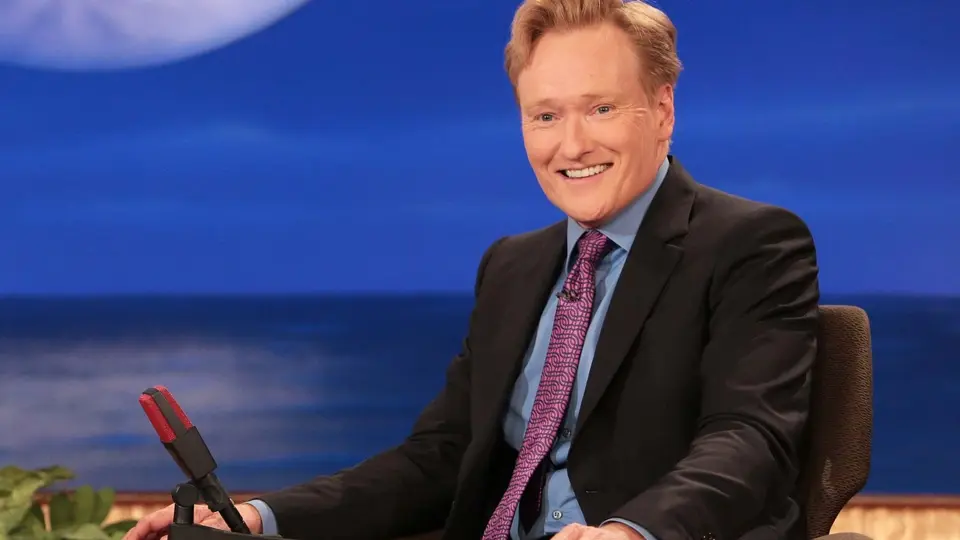
Late Night with Conan O'Brien is an American late-night talk show hosted by Conan O'Brien for NBC. The show aired from September 13, 1993, to February 20, 2009. Set in Studio 6A at 30 Rockefeller Plaza in New York City, it featured celebrity interviews, comedy sketches, and musical performances, driven by O'Brien’s offbeat humor and improvisational style. Widely regarded as a cult favorite, the series gained a loyal following, redefined late-night comedy with its absurdist tone, and became a cultural staple for younger audiences.
Creation and Development
NBC selected Conan O'Brien, a relatively unknown comedy writer, to replace David Letterman after his departure to CBS, with Lorne Michaels as executive producer. Filmed in New York, the show embraced a chaotic, youthful energy that contrasted with traditional talk shows. Known for its irreverent sketches, quirky characters like Triumph the Insult Comic Dog, and O'Brien’s self-deprecating charm, Late Night set a new standard for late-night television. Its first episode premiered on September 13, 1993, and the final episode aired on February 20, 2009. The show’s innovative comedy and underdog spirit helped it achieve a devoted fanbase despite early critical skepticism.
Seasons and Episodes
Late Night with Conan O'Brien ran for 16 seasons with approximately 2,725 episodes.
Season 1 (1993–1994) – Approx. 170 episodes
Season 2 (1994–1995) – Approx. 190 episodes
Season 3 (1995–1996) – Approx. 190 episodes
[Subsequent seasons continued, typically 170–190 episodes per year]
Season 16 (2008–2009) – Approx. 100 episodes
Cast and Characters
Conan O'Brien as Himself, the quick-witted host with a knack for absurd humor.
Andy Richter as Himself, the affable sidekick and co-host (1993–2000), later a recurring guest.
Max Weinberg as Himself, the bandleader of The Max Weinberg 7, providing energetic musical backing.
Joel Godard as Himself, the announcer known for his deadpan delivery.
Guest Stars and Notable Performances
The series featured a diverse ensemble, including Robert Smigel as the voice of Triumph the Insult Comic Dog, whose biting humor became iconic, and frequent guests like Norm Macdonald, whose dry wit meshed perfectly with O'Brien’s style. Macdonald’s appearances stood out for their unpredictable hilarity. Other notable performances include Jon Stewart’s sharp banter, Amy Poehler’s comedic sketches, and Will Ferrell’s outrageous characters, each contributing to the show’s eclectic vibe. The show attracted a mix of mainstream stars and indie musicians, appealing to a broad audience.
Themes and Legacy
Late Night with Conan O'Brien explored themes of humor, absurdity, and resilience, often poking fun at its own low-budget roots and O'Brien’s underdog status. Its approach to embracing bizarre segments like “In the Year 2000” and remote pieces in places like Finland earned critical praise and a cult following. The show won one Emmy and multiple Writers Guild Awards, building a strong viewership among younger demographics. A notable reunion special, “Late Night with Conan O'Brien: 10th Anniversary Special,” aired in 2003, featuring cast reflections and classic clips. Its influence on late-night comedy is profound, inspiring hosts like Seth Meyers and Jimmy Fallon, and its fanbase rallied during O'Brien’s later Tonight Show controversy.
Conclusion
Late Night with Conan O'Brien redefined late-night television with its irreverent humor, inventive sketches, and charismatic host. Despite early struggles and network pressures, it remains a landmark series of the 1990s and 2000s. Its legacy continues to shape comedy and late-night formats.
Copyright/Disclaimer
Report Errors/Contribute to Site


Comments