2278 results found with an empty search
- Bachelor Party (1984)
R | 1h 46min | 6/10 | #Comedy #Romance #Party Parental Rating: R (Restricted. Under 17 requires accompanying parent or adult guardian) ➱ STORYLINE: Bachelor Party (1984) is a raunchy comedy that follows Rick Gassko, played by Tom Hanks, a fun-loving bus driver who is about to get married to his girlfriend, Debbie. Rick's friends decide to throw him an outrageous bachelor party to celebrate his last days of freedom. As the party escalates, chaos ensues with strippers, drugs, and wild antics. Meanwhile, Debbie's disapproving family and an ex-boyfriend who wants to sabotage the wedding add to the mayhem. The film is filled with over-the-top humor, absurd situations, and a heartwarming romance. ➱ STAFF REVIEW: Bachelor Party (1984), directed by Neal Israel, is a quintessential 1980s comedy that showcases Tom Hanks' early comedic talent. The film's outrageous humor and outlandish party scenes deliver plenty of laughs, while the chemistry between Hanks and Tawny Kitaen, who plays Debbie, adds a romantic touch. The ensemble cast of friends, including Adrian Zmed and Michael Dudikoff, contribute to the film's lively and energetic vibe. Although the film leans heavily on crude and slapstick humor, its charm lies in its unapologetic embrace of the party spirit. Bachelor Party remains a nostalgic and entertaining watch for fans of 80s comedies. ➱ CREDITS: Director: Neal Israel Writers: - Bob Israel - Pat Proft - Neal Israel Starring: - Tom Hanks as Rick Gassko - Tawny Kitaen as Debbie Thompson - Adrian Zmed as Jay O'Neill - George Grizzard as Ed Thompson - Barbara Stuart as Mrs. Thompson - Robert Prescott as Cole Whittier - Michael Dudikoff as Ryko Produced by: - Ron Moler - Bob Israel Production Companies: - Aspen Film Society - Slapstick Studio Cinematography: Hal Trussell Edited by: Tom Finan Music by: Robert Folk Distributed by: 20th Century Fox Release date: June 29, 1984 Run Time: 1h 46min Country: United States Languages: English Budget: $7 million Box office: $38.4 million ➱ SEARCH SITE BY CAST/CREW HASHTAGS: #NealIsrael - Director #TomHanks - Actor (as Rick Gassko) #TawnyKitaen - Actor (as Debbie Thompson) #AdrianZmed - Actor (as Jay O'Neill) #GeorgeGrizzard - Actor (as Ed Thompson) #BarbaraStuart - Actor (as Mrs. Thompson) #RobertPrescott - Actor (as Cole Whittier) #MichaelDudikoff - Actor (as Ryko) #BobIsrael - Writer #PatProft - Writer #HalTrussell - Cinematographer #TomFinan - Editor #RobertFolk - Music Composer #AspenFilmSociety - Production Company #SlapstickStudio - Production Company #20thCenturyFox - Distributor ➱ SEARCH SITE BY GENERAL HASHTAGS: #BachelorParty #Comedy #Romance #Party #Film1980s #Movie1980s ➱ DETAILED PARENTAL GUIDANCE: Mild - Moderate - Severe Sexual Content - No Data - no data to show, contribute to our site here Violence & Bloodshed - No Data - no data to show, contribute to our site here Offensive Language - No Data - no data to show, contribute to our site here Substance Use - No Data - no data to show, contribute to our site here Disturbing & Intense Scenes - No Data - no data to show, contribute to our site here ➱ TRIVIA - no data to show, contribute to our site here ➱ FOLLOW US ON SOCIAL MEDIA: Visit our LinkTree ➱ COPYRIGHT/DISCLAIMER: View The Copyright Disclaimer here ➱ REPORT ERRORS or ADD INFORMATION: Submit errors or add information to our site here
- Police Academy (1984)
R | 1h 36min | 6/10 | #Comedy #Action #Crime Parental Rating: R (Restricted. Under 17 requires accompanying parent or adult guardian) ➱ STORYLINE: Police Academy (1984) is a comedy film that follows a group of misfit recruits who join the police force after the mayor of a city mandates that the police academy must accept all willing recruits, regardless of their qualifications. The ragtag group of trainees includes pranksters, clumsy individuals, and various oddballs, all of whom must survive the grueling training regimen under the strict guidance of Commandant Lassard and the sadistic Lieutenant Harris. Despite their differences and lack of traditional skills, the recruits band together to prove they have what it takes to become police officers, resulting in a series of hilarious and outrageous situations. ➱ STAFF REVIEW: Police Academy (1984), directed by Hugh Wilson, is a lighthearted and entertaining comedy that has become a cult classic. The film's ensemble cast, including Steve Guttenberg as the charming and rebellious Mahoney, Michael Winslow as the sound-effects genius Jones, and Bubba Smith as the gentle giant Hightower, brings a variety of comedic talents to the screen. The screenplay, written by Neal Israel and Pat Proft, is filled with slapstick humor, funny gags, and memorable one-liners. The film's ability to balance humor with a heartwarming message about teamwork and acceptance makes it an enduring favorite. Police Academy is a fun and amusing film that continues to entertain audiences with its quirky characters and comedic antics. ➱ CREDITS: Director: Hugh Wilson Writers: - Neal Israel - Pat Proft Starring: - Steve Guttenberg as Carey Mahoney - Kim Cattrall as Karen Thompson - G.W. Bailey as Lieutenant Harris - Bubba Smith as Moses Hightower - Donovan Scott as Leslie Barbara - Michael Winslow as Larvell Jones - George Gaynes as Commandant Lassard Produced by: - Paul Maslansky Production Companies: - The Ladd Company Cinematography: Michael D. Margulies Edited by: Robert Brown Music by: Robert Folk Distributed by: Warner Bros. Release date: March 23, 1984 Run Time: 1h 36min Country: United States Languages: English Budget: $4.5 million Box office: $81.2 million ➱ SEARCH SITE BY CAST/CREW HASHTAGS: #HughWilson - Director #SteveGuttenberg - Actor (as Carey Mahoney) #KimCattrall - Actor (as Karen Thompson) #GWBailey - Actor (as Lieutenant Harris) #BubbaSmith - Actor (as Moses Hightower) #DonovanScott - Actor (as Leslie Barbara) #MichaelWinslow - Actor (as Larvell Jones) #GeorgeGaynes - Actor (as Commandant Lassard) #NealIsrael - Writer #PatProft - Writer #MichaelDMargulies - Cinematographer #RobertBrown - Editor #RobertFolk - Music Composer #TheLaddCompany - Production Company #WarnerBros - Distributor ➱ SEARCH SITE BY GENERAL HASHTAGS: #PoliceAcademy #Comedy #Action #Crime #Film1980s #Movie1980s ➱ DETAILED PARENTAL GUIDANCE: Mild - Moderate - Severe Sexual Content - No Data - no data to show, contribute to our site here Violence & Bloodshed - No Data - no data to show, contribute to our site here Offensive Language - No Data - no data to show, contribute to our site here Substance Use - No Data - no data to show, contribute to our site here Disturbing & Intense Scenes - No Data - no data to show, contribute to our site here ➱ TRIVIA - no data to show, contribute to our site here ➱ FOLLOW US ON SOCIAL MEDIA: Visit our LinkTree ➱ COPYRIGHT/DISCLAIMER: View The Copyright Disclaimer here ➱ REPORT ERRORS or ADD INFORMATION: Submit errors or add information to our site here
- This is Spinal Tap (1984)
R | 1h 22min | 8/10 | #Comedy #Music R (Restricted. Under 17 requires accompanying parent or adult guardian) ➱ STORYLINE: "This Is Spinal Tap" is a mockumentary comedy film directed by Rob Reiner. It hilariously chronicles the ups and downs of the fictional British heavy metal band Spinal Tap. The film showcases their outrageous performances, behind-the-scenes antics, and the absurdity of the rock 'n' roll lifestyle. As the band members navigate a series of comically disastrous events, the film provides a satirical take on the music industry. ➱ STAFF REVIEW: "This Is Spinal Tap" is a cult classic that brilliantly parodies the rockumentary genre. Its witty humor and memorable characters have made it a beloved comedy for music enthusiasts and film fans alike. ➱ CREDITS: - Director: Rob Reiner - Writers: - Christopher Guest - Michael McKean - Harry Shearer - Rob Reiner - Starring: - Christopher Guest as Nigel Tufnel - Michael McKean as David St. Hubbins - Harry Shearer as Derek Smalls - Rob Reiner as Marty DiBergi - Produced by: Karen Murphy - Production Companies: Embassy Pictures, Spinal Tap Prod. - Cinematography: Peter Smokler - Edited by: Robert Leighton - Music by: Christopher Guest, Michael McKean, Harry Shearer - Distributed by: Embassy Pictures - Release date: March 2, 1984 - Run Time: 1 hr 22 min - Country: United States - Languages: English - Budget: $2.5 million - Box office: $4.7 million ➱ SEARCH SITE BY CAST/CREW HASHTAGS: #RobReiner - Director #ChristopherGuest - Writer/Actor (as Nigel Tufnel) #MichaelMcKean - Writer/Actor (as David St. Hubbins) #HarryShearer - Writer/Actor (as Derek Smalls) #KarenMurphy - Producer #PeterSmokler - Cinematographer #RobertLeighton - Editor #EmbassyPictures - Production Company #SpinalTapProd - Production Company ➱ SEARCH SITE BY GENERAL HASHTAGS: #ThisIsSpinalTap #Comedy #Music #Mockumentary #1980sFilms #1980sMovies ➱ TRIVIA - no data to show, contribute to our site here ➱ FOLLOW US ON SOCIAL MEDIA: Visit our LinkTree ➱ COPYRIGHT/DISCLAIMER: View The Copyright Disclaimer here ➱ REPORT ERRORS or ADD INFORMATION: Submit errors or add information to our site here
- This is Spinal Tap (1984)
R | 1h 22min | 8/10 | #Comedy #Mockumentary #Music Parental Rating: R (Restricted. Under 17 requires accompanying parent or adult guardian) ➱ STORYLINE: This is Spinal Tap (1984) is a mockumentary that follows the fictional British heavy metal band Spinal Tap on their disastrous American tour. Directed by filmmaker Marty DiBergi, the film documents the band's misadventures, internal conflicts, and declining popularity. As Spinal Tap faces a series of comedic mishaps, including canceled gigs, bizarre stage props, and inter-band tensions, the documentary style offers a hilarious and satirical look at the rock and roll lifestyle. ➱ STAFF REVIEW: This is Spinal Tap (1984), directed by Rob Reiner, is a pioneering mockumentary that brilliantly satirizes the rock and roll industry. The film features memorable performances by Christopher Guest, Michael McKean, and Harry Shearer, who portray the band's core members with deadpan humor and improvisational skill. The screenplay, co-written by the cast, is filled with witty dialogue and iconic scenes that have become part of popular culture. Reiner's direction effectively blends documentary realism with absurdity, making the film both relatable and laugh-out-loud funny. The original music, performed by the cast, adds authenticity and humor to the band's portrayal. This is Spinal Tap remains a cult classic, celebrated for its sharp wit, clever satire, and enduring influence on the mockumentary genre. ➱ CREDITS: Director: Rob Reiner Writers: - Christopher Guest - Michael McKean - Harry Shearer - Rob Reiner Starring: - Rob Reiner as Marty DiBergi - Christopher Guest as Nigel Tufnel - Michael McKean as David St. Hubbins - Harry Shearer as Derek Smalls - Tony Hendra as Ian Faith - R.J. Parnell as Mick Shrimpton - David Kaff as Viv Savage Produced by: - Karen Murphy Production Companies: - Spinal Tap Productions Cinematography: Peter Smokler Edited by: Kent Beyda, Kim Secrist Music by: Christopher Guest, Michael McKean, Harry Shearer Distributed by: Embassy Pictures Release date: March 2, 1984 Run Time: 1h 22min Country: United States Languages: English Budget: $2.25 million Box office: $4.7 million ➱ SEARCH SITE BY CAST/CREW HASHTAGS: #RobReiner - Director #ChristopherGuest - Actor (as Nigel Tufnel) #MichaelMcKean - Actor (as David St. Hubbins) #HarryShearer - Actor (as Derek Smalls) #TonyHendra - Actor (as Ian Faith) #RJParnell - Actor (as Mick Shrimpton) #DavidKaff - Actor (as Viv Savage) #ChristopherGuest - Writer #MichaelMcKean - Writer #HarryShearer - Writer #RobReiner - Writer #PeterSmokler - Cinematographer #KentBeyda - Editor #KimSecrist - Editor #KarenMurphy - Producer #SpinalTapProductions - Production Company #EmbassyPictures - Distributor ➱ SEARCH SITE BY GENERAL HASHTAGS: #ThisIsSpinalTap #Comedy #Mockumentary #Music #Film1980s #Movie1980s ➱ DETAILED PARENTAL GUIDANCE: Mild - Moderate - Severe Sexual Content - No Data - no data to show, contribute to our site here Violence & Bloodshed - No Data - no data to show, contribute to our site here Offensive Language - No Data - no data to show, contribute to our site here Substance Use - No Data - no data to show, contribute to our site here Disturbing & Intense Scenes - No Data - no data to show, contribute to our site here ➱ TRIVIA - no data to show, contribute to our site here ➱ FOLLOW US ON SOCIAL MEDIA: Visit our LinkTree ➱ COPYRIGHT/DISCLAIMER: View The Copyright Disclaimer here ➱ REPORT ERRORS or ADD INFORMATION: Submit errors or add information to our site here
- David Niven (1910-1983)
David Niven - (March 1, 1910 to July 29, 1983) ➱ OBITUARY David Niven, the quintessentially British actor known for his charm, wit, and debonair demeanor, passed away on July 29, 1983, at the age of 73. Born on March 1, 1910, in London, England, Niven was celebrated for his roles in classics like "The Pink Panther" and "Around the World in 80 Days." His death in Château-d'Œx, Switzerland, marked the loss of a cinema icon whose career spanned several decades and included a wide range of memorable characters. ➱ David Niven on Acting "Acting, to me, should be a gentleman's profession. There's no room for bumptiousness or showing off. That's just the way I see it." David Niven's approach to acting reflected his persona: elegant, sophisticated, and always understated. He believed in the subtlety of performance, often bringing a gentle humor and depth to his roles that endeared him to audiences worldwide. ➱ Co-Stars and Colleagues Remembrances Niven's colleagues often praised his professionalism and warmth. Gregory Peck, a close friend and co-star, once described him as "one of the most likable men in the business, who never took himself too seriously." His charm and ability to light up a room with his wit were frequently highlighted by those who knew him well. ➱ Legacy Beyond the Screen Beyond his film career, David Niven was also an accomplished author, having written several books including the bestselling autobiography "The Moon's a Balloon." His writings offer insights into the golden age of Hollywood and his own adventurous life, filled with the same charm and wit that he brought to his screen roles. See Niven's Biography. ➱ SEARCH SITE BY GENERAL HASHTAGS: #DavidNiven #ThePinkPanther #ClassicFilmStars #BritishCinema #HollywoodGoldenAge #AroundTheWorldIn80Days #RIP #Death ➱ TRIVIA: An interesting piece of trivia about David Niven is that he served with distinction in the British Army during World War II, reaching the rank of Lieutenant Colonel. His military service included participation in the D-Day landings, which not only demonstrated his bravery but also deeply influenced his life and work, adding a layer of depth to his character both on and off screen. ➱ FOLLOW US ON SOCIAL MEDIA: Visit our LinkTree ➱ COPYRIGHT/DISCLAIMER: View The Copyright Disclaimer here ➱ REPORT ERRORS or ADD INFORMATION: Submit errors or add information to our site here
- National Lampoon’s Vacation (1983)
R | 1h 38min | 7/10 | #Comedy #Adventure #Family Parental Rating: R (Restricted. Under 17 requires accompanying parent or adult guardian) ➱ STORYLINE: National Lampoon’s Vacation (1983) follows the misadventures of the Griswold family as they embark on a cross-country road trip to the Walley World theme park. Led by the well-meaning but hapless father, Clark Griswold, the family encounters a series of comedic obstacles and disasters along the way. From car troubles and run-ins with bizarre relatives to hotel mishaps and unexpected detours, the Griswold family's journey is filled with laughs, chaos, and ultimately, heartwarming moments. ➱ STAFF REVIEW: National Lampoon’s Vacation (1983), directed by Harold Ramis, is a quintessential road trip comedy that has become a beloved classic. Chevy Chase shines as Clark Griswold, bringing both humor and charm to the role of the bumbling yet determined family man. Beverly D'Angelo, as his patient wife Ellen, and the talented cast of children, including Anthony Michael Hall and Dana Barron, add to the film's appeal. John Hughes' screenplay is filled with sharp wit and memorable lines, capturing the absurdity and challenges of family vacations. The film's blend of slapstick humor, relatable family dynamics, and iconic scenes make National Lampoon’s Vacation a timeless and entertaining comedy. ➱ CREDITS: Director: Harold Ramis Writer: - John Hughes Starring: - Chevy Chase as Clark Griswold - Beverly D'Angelo as Ellen Griswold - Anthony Michael Hall as Rusty Griswold - Dana Barron as Audrey Griswold - Randy Quaid as Cousin Eddie - Imogene Coca as Aunt Edna - Christie Brinkley as The Girl in the Ferrari Produced by: - Matty Simmons Production Companies: - Warner Bros. - National Lampoon Cinematography: Victor J. Kemper Edited by: Pembroke J. Herring Music by: Ralph Burns Distributed by: Warner Bros. Release date: July 29, 1983 Run Time: 1h 38min Country: United States Languages: English Budget: $15 million Box office: $61.4 million ➱ SEARCH SITE BY CAST/CREW HASHTAGS: #HaroldRamis - Director #JohnHughes - Writer #ChevyChase - Actor (as Clark Griswold) #BeverlyDAngelo - Actor (as Ellen Griswold) #AnthonyMichaelHall - Actor (as Rusty Griswold) #DanaBarron - Actor (as Audrey Griswold) #RandyQuaid - Actor (as Cousin Eddie) #ImogeneCoca - Actor (as Aunt Edna) #ChristieBrinkley - Actor (as The Girl in the Ferrari) #MattySimmons - Producer #VictorJKemper - Cinematographer #PembrokeJHerring - Editor #RalphBurns - Music Composer #WarnerBros - Production Company #NationalLampoon - Production Company #WarnerBros - Distributor ➱ SEARCH SITE BY GENERAL HASHTAGS: #NationalLampoonsVacation #Comedy #Adventure #Family #Film1980s #Movie1980s ➱ DETAILED PARENTAL GUIDANCE: Mild - Moderate - Severe Sexual Content - No Data - no data to show, contribute to our site here Violence & Bloodshed - No Data - no data to show, contribute to our site here Offensive Language - No Data - no data to show, contribute to our site here Substance Use - No Data - no data to show, contribute to our site here Disturbing & Intense Scenes - No Data - no data to show, contribute to our site here ➱ TRIVIA - no data to show, contribute to our site here ➱ FOLLOW US ON SOCIAL MEDIA: Visit our LinkTree ➱ COPYRIGHT/DISCLAIMER: View The Copyright Disclaimer here ➱ REPORT ERRORS or ADD INFORMATION: Submit errors or add information to our site here
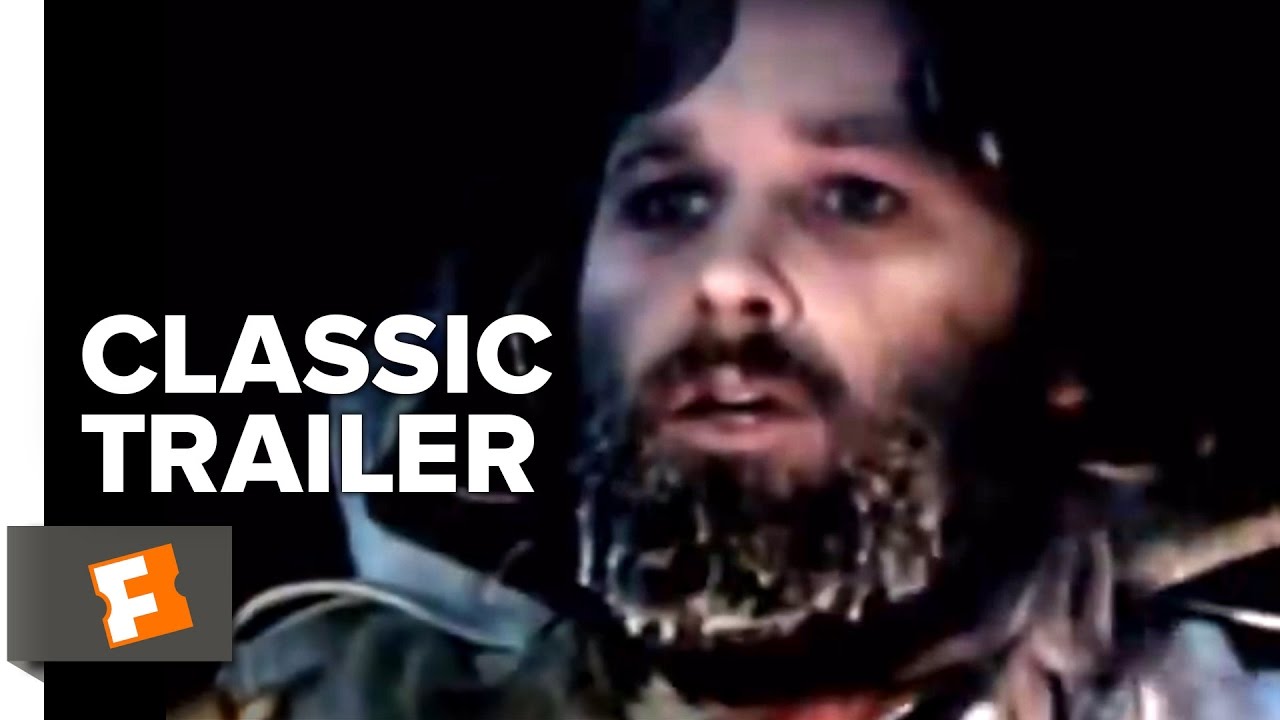
- The Thing (1982)
R | 1h 49min | 8/10 | #Horror #SciFi #Thriller Parental Rating: R (Restricted. Under 17 requires accompanying parent or adult guardian) ➱ STORYLINE: The Thing (1982) is a horror sci-fi film set in the icy wastelands of Antarctica. The story follows a group of American researchers stationed at a remote outpost who encounter a shape-shifting alien that can assume the form of any living being it consumes. Paranoia and mistrust spread among the team members as they begin to realize that the alien could be any one of them. Led by helicopter pilot R.J. MacReady, the group must find a way to identify and destroy the creature before it eliminates them all and potentially reaches civilization. ➱ STAFF REVIEW: The Thing (1982), directed by John Carpenter, is a masterclass in tension and practical effects, delivering a chilling atmosphere and intense suspense. Kurt Russell leads the cast with a strong performance as R.J. MacReady, the determined and resourceful leader. The film's practical effects, created by Rob Bottin, are groundbreaking and remain some of the most memorable in horror history. Ennio Morricone's haunting score enhances the film's sense of dread and isolation. Carpenter's direction masterfully builds paranoia and fear, creating a claustrophobic and unsettling experience. The Thing is a quintessential horror film that continues to terrify and captivate audiences with its suspenseful narrative and impressive effects. ➱ CREDITS: Director: John Carpenter Writers: - Bill Lancaster (screenplay) - John W. Campbell Jr. (story "Who Goes There?") Starring: - Kurt Russell as R.J. MacReady - Wilford Brimley as Dr. Blair - T.K. Carter as Nauls - David Clennon as Palmer - Keith David as Childs - Richard Dysart as Dr. Copper - Charles Hallahan as Norris - Peter Maloney as Bennings - Richard Masur as Clark - Donald Moffat as Garry - Joel Polis as Fuchs - Thomas G. Waites as Windows Produced by: - David Foster - Lawrence Turman Production Companies: - Universal Pictures - Turman-Foster Company Cinematography: Dean Cundey Edited by: Todd C. Ramsay Music by: Ennio Morricone Distributed by: Universal Pictures Release date: June 25, 1982 Run Time: 1h 49min Country: United States Languages: English Budget: $15 million Box office: $19.6 million ➱ SEARCH SITE BY CAST/CREW HASHTAGS: #JohnCarpenter - Director #KurtRussell - Actor (as R.J. MacReady) #WilfordBrimley - Actor (as Dr. Blair) #TKCarter - Actor (as Nauls) #DavidClennon - Actor (as Palmer) #KeithDavid - Actor (as Childs) #RichardDysart - Actor (as Dr. Copper) #CharlesHallahan - Actor (as Norris) #PeterMaloney - Actor (as Bennings) #RichardMasur - Actor (as Clark) #DonaldMoffat - Actor (as Garry) #JoelPolis - Actor (as Fuchs) #ThomasGWaites - Actor (as Windows) #DeanCundey - Cinematographer #ToddCRamsay - Editor #EnnioMorricone - Music Composer #UniversalPictures - Production Company #TurmanFosterCompany - Production Company #UniversalPictures - Distributor ➱ SEARCH SITE BY GENERAL HASHTAGS: #TheThing #Horror #SciFi #Thriller #Film1980s #Movie1980s ➱ DETAILED PARENTAL GUIDANCE: Mild - Moderate - Severe Sexual Content - No Data - no data to show, contribute to our site here Violence & Bloodshed - No Data - no data to show, contribute to our site here Offensive Language - No Data - no data to show, contribute to our site here Substance Use - No Data - no data to show, contribute to our site here Disturbing & Intense Scenes - No Data - no data to show, contribute to our site here ➱ TRIVIA - no data to show, contribute to our site here ➱ FOLLOW US ON SOCIAL MEDIA: Visit our LinkTree ➱ COPYRIGHT/DISCLAIMER: View The Copyright Disclaimer here ➱ REPORT ERRORS or ADD INFORMATION: Submit errors or add information to our site here
- E.T. - The Extra-Terrestrial (1982)
PG | 1h 55min | 9/10 | #SciFi #Adventure #Family Parental Rating: PG (Parental Guidance Suggested, Some material may not be suitable for children.) ➱ STORYLINE: E.T. - The Extra-Terrestrial (1982) is a heartwarming sci-fi adventure that tells the story of a young boy named Elliott who befriends an extraterrestrial stranded on Earth. Elliott and his siblings, Gertie and Michael, help the gentle alien, whom they name E.T., find a way to return to his home planet while keeping him hidden from government authorities. As they form a deep bond, E.T. and Elliott share unforgettable experiences, leading to a thrilling and emotional climax that highlights the power of friendship and the innocence of childhood. ➱ STAFF REVIEW: E.T. - The Extra-Terrestrial (1982), directed by Steven Spielberg, is a timeless classic that continues to captivate audiences of all ages. Spielberg's masterful direction, combined with a touching screenplay by Melissa Mathison, creates a magical and emotional journey that resonates deeply. Henry Thomas delivers a remarkable performance as Elliott, while Drew Barrymore, as Gertie, adds charm and innocence to the story. The film's iconic score, composed by John Williams, enhances its emotional depth and sense of wonder. E.T.'s innovative special effects and compelling storytelling make it a landmark in cinematic history, celebrating the themes of friendship, empathy, and the extraordinary within the ordinary. ➱ CREDITS: Director: Steven Spielberg Writer: - Melissa Mathison Starring: - Henry Thomas as Elliott - Dee Wallace as Mary - Robert MacNaughton as Michael - Drew Barrymore as Gertie - Peter Coyote as Keys - Pat Welsh as the voice of E.T. Produced by: - Steven Spielberg - Kathleen Kennedy Production Companies: - Universal Pictures - Amblin Entertainment Cinematography: Allen Daviau Edited by: Carol Littleton Music by: John Williams Distributed by: Universal Pictures Release date: June 11, 1982 Run Time: 1h 55min Country: United States Languages: English Budget: $10.5 million Box office: $792.9 million ➱ SEARCH SITE BY CAST/CREW HASHTAGS: #StevenSpielberg - Director #HenryThomas - Actor (as Elliott) #DeeWallace - Actor (as Mary) #RobertMacNaughton - Actor (as Michael) #DrewBarrymore - Actor (as Gertie) #PeterCoyote - Actor (as Keys) #PatWelsh - Actor (as the voice of E.T.) #MelissaMathison - Writer #AllenDaviau - Cinematographer #CarolLittleton - Editor #JohnWilliams - Music Composer #UniversalPictures - Production Company #AmblinEntertainment - Production Company #UniversalPictures - Distributor ➱ SEARCH SITE BY GENERAL HASHTAGS: #ETTheExtraTerrestrial #SciFi #Adventure #Family #Film1980s #Movie1980s ➱ DETAILED PARENTAL GUIDANCE: Mild - Moderate - Severe Sexual Content - No Data - no data to show, contribute to our site here Violence & Bloodshed - No Data - no data to show, contribute to our site here Offensive Language - No Data - no data to show, contribute to our site here Substance Use - No Data - no data to show, contribute to our site here Disturbing & Intense Scenes - No Data - no data to show, contribute to our site here ➱ TRIVIA - no data to show, contribute to our site here ➱ FOLLOW US ON SOCIAL MEDIA: Visit our LinkTree ➱ COPYRIGHT/DISCLAIMER: View The Copyright Disclaimer here ➱ REPORT ERRORS or ADD INFORMATION: Submit errors or add information to our site here
- Poltergeist (1982)
PG | 1h 54min | 8/10 | #Horror #Thriller #Supernatural Parental Rating: PG (Parental Guidance Suggested, Some material may not be suitable for children.) ➱ STORYLINE: Poltergeist (1982) is a supernatural horror film that follows the Freeling family, who live in a seemingly peaceful suburban home. Their lives are turned upside down when their youngest daughter, Carol Anne, begins communicating with spirits through the television. As strange and terrifying events unfold, the family realizes their home is built on a burial ground, and malevolent spirits have targeted them. With the help of paranormal experts, the Freelings must confront the dark forces and save their daughter from the clutches of the otherworldly beings. ➱ STAFF REVIEW: Poltergeist (1982), directed by Tobe Hooper and produced by Steven Spielberg, is a landmark in the horror genre, combining supernatural terror with a strong emotional core. The film's screenplay, written by Spielberg, Michael Grais, and Mark Victor, effectively builds suspense and delivers chilling moments. The performances, particularly by JoBeth Williams and Craig T. Nelson as the parents, Diane and Steve Freeling, are compelling and relatable. Heather O'Rourke's portrayal of Carol Anne adds an innocent yet eerie element to the story. The film's special effects, sound design, and Jerry Goldsmith's haunting score contribute to its enduring impact. Poltergeist remains a classic for its ability to blend genuine scares with heartfelt family dynamics, making it a must-watch for horror enthusiasts. ➱ CREDITS: Director: Tobe Hooper Writers: - Steven Spielberg - Michael Grais - Mark Victor Starring: - JoBeth Williams as Diane Freeling - Craig T. Nelson as Steve Freeling - Heather O'Rourke as Carol Anne Freeling - Beatrice Straight as Dr. Lesh - Dominique Dunne as Dana Freeling - Oliver Robins as Robbie Freeling - Zelda Rubinstein as Tangina Barrons Produced by: - Steven Spielberg - Frank Marshall Production Companies: - Metro-Goldwyn-Mayer (MGM) Cinematography: Matthew F. Leonetti Edited by: Michael Kahn Music by: Jerry Goldsmith Distributed by: Metro-Goldwyn-Mayer (MGM) Release date: June 4, 1982 Run Time: 1h 54min Country: United States Languages: English Budget: $10.7 million Box office: $121.7 million ➱ SEARCH SITE BY CAST/CREW HASHTAGS: #TobeHooper - Director #StevenSpielberg - Writer #MichaelGrais - Writer #MarkVictor - Writer #JoBethWilliams - Actor (as Diane Freeling) #CraigTNelson - Actor (as Steve Freeling) #HeatherORourke - Actor (as Carol Anne Freeling) #BeatriceStraight - Actor (as Dr. Lesh) #DominiqueDunne - Actor (as Dana Freeling) #OliverRobins - Actor (as Robbie Freeling) #ZeldaRubinstein - Actor (as Tangina Barrons) #StevenSpielberg - Producer #FrankMarshall - Producer #MatthewFLeonetti - Cinematographer #MichaelKahn - Editor #JerryGoldsmith - Music Composer #MGM - Production Company #MGM - Distributor ➱ SEARCH SITE BY GENERAL HASHTAGS: #Poltergeist #Horror #Thriller #Supernatural #Film1980s #Movie1980s ➱ DETAILED PARENTAL GUIDANCE: Mild - Moderate - Severe Sexual Content - No Data - no data to show, contribute to our site here Violence & Bloodshed - No Data - no data to show, contribute to our site here Offensive Language - No Data - no data to show, contribute to our site here Substance Use - No Data - no data to show, contribute to our site here Disturbing & Intense Scenes - No Data - no data to show, contribute to our site here ➱ TRIVIA - no data to show, contribute to our site here ➱ FOLLOW US ON SOCIAL MEDIA: Visit our LinkTree ➱ COPYRIGHT/DISCLAIMER: View The Copyright Disclaimer here ➱ REPORT ERRORS or ADD INFORMATION: Submit errors or add information to our site here
- Seth Rogen
April 15, 1982 | Vancouver, British Columbia, Canada | #Actor #Comedian #Producer [missing video link - contribute to our site here] Seth Rogen, born in Vancouver, British Columbia, Canada, is a multi-talented entertainer known for his comedic genius, acting prowess, and contributions to the film industry. His career has been marked by a string of successful films and a unique comedic style that resonates with audiences worldwide. Rogen's breakthrough came with his role in the comedy "Knocked Up," where his endearing and relatable performance endeared him to viewers. He continued to charm audiences in comedies like "Superbad" and "Pineapple Express," earning a reputation as one of the funniest actors in Hollywood. In addition to acting, Rogen is a prolific producer and writer, with credits in successful comedies such as "This Is the End" and "Sausage Party." His ability to craft humor that pushes boundaries while remaining relatable has made him a prominent figure in the comedy genre. Rogen's distinctive laugh and laid-back persona have become his trademark, and his impact on comedy is far-reaching. Top Movies/TV Shows: 1. "Knocked Up" (2017) - Film 2. "Superbad" (2007) - Film 3. "Pineapple Express" (20080) - Film 4. "This Is the End" (2013) - Film Seth Rogen's career reflects his comedic talent and contributions to the entertainment industry, earning him a dedicated fan base and critical acclaim. ➱ SEARCH SITE BY GENERAL HASHTAGS: #KnockedUp #Superbad #PineappleExpress #ThisIsTheEnd #SethRogan ➱ TRIVIA - no data to show, contribute to our site here ➱ FOLLOW US ON SOCIAL MEDIA: Visit our LinkTree ➱ COPYRIGHT/DISCLAIMER: View The Copyright Disclaimer here ➱ REPORT ERRORS or ADD INFORMATION: Submit errors or add information to our site here
- Natalie Portman
June 9, 1981 | Jerusalem, Israel | #Actress #Director #Advocate [missing video link - contribute to our site here] Natalie Portman emerged as a promising talent at a young age with her role in "Léon: The Professional." Her performance was marked by a maturity and depth that belied her years, setting the stage for a rich career in film. Portman's dedication to her craft was further evident in "Black Swan," for which she underwent rigorous ballet training and won an Academy Award for Best Actress. Portman's versatility has been a constant in her career, with roles ranging from the historical drama "Jackie," where she portrayed Jacqueline Kennedy, to major blockbusters like the "Star Wars" prequel trilogy. She has also ventured into directing, showcasing her storytelling abilities and her commitment to exploring complex themes. Beyond the screen, Portman is known for her advocacy in areas such as environmentalism and gender equality. She has been a vocal proponent for women's rights and has used her platform to support various charitable causes. Top Movies/TV Shows: 1. "Léon: The Professional" (1994) - Film 2. "Black Swan" (2010) - Film 3. "Jackie" (2016) - Film 4. "Star Wars Prequel Trilogy" - Film Natalie Portman's career is not only a reflection of her exceptional talent as an actress and director but also of her commitment to making a difference both on and off the screen. ➱ SEARCH SITE BY GENERAL HASHTAGS: #LéonTheProfessional #BlackSwan #Jackie #StarWars ➱ TRIVIA - no data to show, contribute to our site here ➱ FOLLOW US ON SOCIAL MEDIA: Visit our LinkTree ➱ COPYRIGHT/DISCLAIMER: View The Copyright Disclaimer here ➱ REPORT ERRORS or ADD INFORMATION: Submit errors or add information to our site here
- Amy Schumer
June 1, 1981 | Manhattan, New York | #Comedian #Actress #Writer [missing video link - contribute to our site here] Amy Schumer, born in Manhattan, New York, is a talented comedian, actress, and writer known for her sharp wit, fearless humor, and her impactful contributions to comedy and entertainment. Schumer gained recognition through her stand-up comedy, where her candid and relatable humor resonated with audiences. She soon transitioned to television with her sketch comedy series, "Inside Amy Schumer," which earned her critical acclaim and a Primetime Emmy Award. In addition to her success on television, Schumer made her mark in the film industry with comedies like "Trainwreck" (2015), where she showcased her comedic talent and writing skills. Her ability to address contemporary issues with humor and honesty has made her a significant voice in comedy. Schumer is also an advocate for body positivity and gender equality, using her platform to address important social issues. Top Movies/TV Shows: 1. "Inside Amy Schumer" - TV Series 2. "Trainwreck" (2015) - Film 3. "I Feel Pretty" (2018) - Film 4. "Snatched" (2017) - Film Amy Schumer's career is marked by her fearless and humorous approach to comedy, her impact on the entertainment industry, and her advocacy for important social causes. ➱ SEARCH SITE BY GENERAL HASHTAGS: #InsideAmySchumer #Trainwreck #IFeelPretty #Snatched #AmySchumer ➱ TRIVIA - no data to show, contribute to our site here ➱ FOLLOW US ON SOCIAL MEDIA: Visit our LinkTree ➱ COPYRIGHT/DISCLAIMER: View The Copyright Disclaimer here ➱ REPORT ERRORS or ADD INFORMATION: Submit errors or add information to our site here
- Ryan Gosling
November 12, 1980 | London, Ontario, Canada | #Actor #Musician #Heartthrob [missing video link - contribute to our site here] Ryan Gosling, born in London, Ontario, Canada, is a multi-talented performer known for his captivating performances on-screen and his musical talents. He has carved a niche for himself as one of Hollywood's most beloved and versatile actors. Gosling's early career featured notable roles in films like "The Notebook," where his portrayal of Noah Calhoun made him a heartthrob and earned him a dedicated fan base. His ability to convey depth and emotion in his characters has been a consistent hallmark of his acting. In addition to his acting career, Gosling is also a musician, known for his indie rock band, Dead Man's Bones. His passion for music has led to collaborations with various artists and a musical dimension to his career. Gosling's performances in critically acclaimed films like "La La Land" and "Drive" have solidified his status as a respected actor, earning him accolades and nominations. His on-screen chemistry with co-stars and his ability to tackle diverse roles continue to captivate audiences worldwide. Top Movies/TV Shows: 1. "The Notebook" (2004) - Film 2. "La La Land" (2016) - Film 3. "Drive" (2011) - Film 4. "Crazy, Stupid, Love." (2011) - Film Ryan Gosling's talent, charm, and versatility have established him as a beloved figure in both the film and music industries. ➱ SEARCH SITE BY GENERAL HASHTAGS: #TheNotebook #LaLaLand #Drive #CrazyStupidLove #RyanGosling ➱ TRIVIA - no data to show, contribute to our site here ➱ FOLLOW US ON SOCIAL MEDIA: Visit our LinkTree ➱ COPYRIGHT/DISCLAIMER: View The Copyright Disclaimer here ➱ REPORT ERRORS or ADD INFORMATION: Submit errors or add information to our site here
- Steve McQueen [1930 - 1980]
Steve McQueen [March 24, 1930 - November 7, 1980] (Age 50 Years) ➱ OBITUARY Steve McQueen, the iconic actor known as the "King of Cool" for his rugged and rebellious roles in films, passed away on November 7, 1980, at the age of 50. Complications from pleural mesothelioma, a rare form of cancer, were cited as the cause of death in Ciudad Juárez, Mexico. Born Terence Steven McQueen on March 24, 1930, in Beech Grove, Indiana, Steve McQueen had a turbulent childhood marked by family instability. He eventually found direction in the United States Marine Corps, where he served honorably before pursuing an acting career. McQueen trained at the Actors Studio in New York City, where he developed his craft. Steve McQueen first gained widespread recognition with his breakout role in the television series "Wanted: Dead or Alive" (1958-1961). He quickly transitioned to film, starring in a series of successful movies that defined his career, including "The Magnificent Seven" (1960), "The Great Escape" (1963), "Bullitt" (1968), "The Thomas Crown Affair" (1968), and "Papillon" (1973). Known for his anti-hero persona, Steve McQueen captivated audiences with his cool demeanor, intense performances, and real-life passion for racing and stunts. His role as Lieutenant Frank Bullitt in "Bullitt" featured one of the most famous car chase scenes in film history, cementing his status as a Hollywood legend. Despite his professional successes, McQueen faced personal challenges, including tumultuous relationships and struggles with substance abuse. His resilience and dedication to his craft, however, made him a beloved and influential figure in the entertainment industry. Steve McQueen is survived by his third wife, Barbara Minty, and his children, Chad and Terry McQueen. A private memorial service was held in Los Angeles, California, attended by family and close friends. His remains were cremated, and his ashes were scattered in the Pacific Ocean. Steve McQueen leaves behind a legacy of unforgettable performances and significant contributions to cinema. His impact on the film industry and his influence on future generations of actors and filmmakers remain unparalleled. ➱ Remembering Steve McQueen: Steve McQueen's legacy endures through his iconic roles and the lasting impression he made on audiences worldwide. Fans and colleagues celebrate his extraordinary talent, cool demeanor, and the depth he brought to his characters. Join us in honoring and remembering the life of Steve McQueen, a true legend whose contributions to film remain timeless. ➱ SEARCH SITE BY GENERAL HASHTAGS: #SteveMcQueen #Bullitt #HollywoodLegend #ClassicCinema #RIP #Death ➱ TRIVIA: - no data to show, contribute to our site here ➱ FOLLOW US ON SOCIAL MEDIA: Visit our LinkTree ➱ COPYRIGHT/DISCLAIMER: View The Copyright Disclaimer here ➱ REPORT ERRORS or ADD INFORMATION: Submit errors or add information to our site here
- Peter Sellers [1925 - 1980]
Peter Sellers [September 8, 1925 - July 24, 1980] (Age 54 Years) ➱ OBITUARY Peter Sellers, the versatile and acclaimed actor known for his comedic genius and memorable roles in film, passed away on July 24, 1980, at the age of 54. He died of a heart attack at Middlesex Hospital in London, England. Born Richard Henry Sellers on September 8, 1925, in Southsea, Hampshire, England, Peter Sellers began his career in entertainment as a radio performer and impressionist before transitioning to film. He gained international fame for his comedic talents and ability to embody a wide range of characters. Peter Sellers' breakthrough roles included Inspector Clouseau in the "Pink Panther" film series, which showcased his improvisational skills and comedic timing. His performances in films such as "Dr. Strangelove" (1964) and "Being There" (1979) demonstrated his versatility and earned him critical acclaim. Throughout his career, Peter Sellers was known for his dedication to his craft and his willingness to take on challenging and unconventional roles. He collaborated with renowned directors and actors, leaving a lasting impact on the comedy genre and beyond. Peter Sellers' personal life was marked by his complex relationships and struggles with health issues. Despite his challenges, he remained a beloved and influential figure in cinema, admired for his wit, intelligence, and transformative acting abilities. ➱ Remembering Peter Sellers: Peter Sellers' legacy as a comedic genius and gifted actor lives on through his iconic performances and enduring influence on film. As we celebrate his life, let us remember Peter Sellers for his talent, humor, and contributions to the art of acting. Join us in honoring and commemorating the life of Peter Sellers, whose comedic brilliance continues to entertain and inspire audiences worldwide. ➱ SEARCH SITE BY GENERAL HASHTAGS: #PeterSellers #PinkPanther #ComedyLegend #RIP #Death ➱ TRIVIA: - no data to show, contribute to our site here ➱ FOLLOW US ON SOCIAL MEDIA: Visit our LinkTree ➱ COPYRIGHT/DISCLAIMER: View The Copyright Disclaimer here ➱ REPORT ERRORS or ADD INFORMATION: Submit errors or add information to our site here
- Kevin Hart
July 6, 1979 | Philadelphia, Pennsylvania | #Comedian #Actor #StandUpKing [missing video link - contribute to our site here] Kevin Hart, born in Philadelphia, Pennsylvania, is a comedic powerhouse known for his infectious energy, relatable humor, and his reign as one of the stand-up comedy kings of his generation. Hart's comedy career took off in the early 2000s with stand-up performances that resonated with audiences. His comedy often draws from his personal life experiences, covering topics like family, relationships, and everyday challenges. One of Hart's most significant achievements was his stand-up special "Laugh at My Pain" (2011), which catapulted him to mainstream fame. His ability to connect with audiences on a personal level and share his life's ups and downs endeared him to fans worldwide. In addition to his stand-up success, Hart has become a prominent actor, starring in comedies like "Ride Along" (2014), "Get Hard" (2015), and "Jumanji: Welcome to the Jungle" (2017). His charisma and comedic timing have made him a sought-after talent in Hollywood. Hart's work ethic and dedication to his craft have earned him a spot among the most influential comedians of his era. He continues to be a force in both the comedy and entertainment industries. Top Movies/TV Shows: 1. "Ride Along" (2014) - Film 2. "Get Hard" (2015) - Film 3. "Jumanji: Welcome to the Jungle" (2017) - Film 4. "Laugh at My Pain" (Stand-up Special, 2011) - Film Kevin Hart's career is characterized by his boundless energy, relatable humor, and his ascent to become one of the stand-up comedy kings of his generation. ➱ SEARCH SITE BY GENERAL HASHTAGS: #KevinHart #StandUpKing #LaughAtMyPain #ComedicPowerhouse ➱ TRIVIA - no data to show, contribute to our site here ➱ FOLLOW US ON SOCIAL MEDIA: Visit our LinkTree ➱ COPYRIGHT/DISCLAIMER: View The Copyright Disclaimer here ➱ REPORT ERRORS or ADD INFORMATION: Submit errors or add information to our site here
- Robert Shaw [1927 - 1978]
Robert Shaw [August 9, 1927 - August 28, 1978] (Age 51 Years) ➱ OBITUARY Robert Shaw, the esteemed actor and playwright known for his commanding presence and memorable performances, passed away on August 28, 1978, at the age of 51. He died of a heart attack while on vacation in Ireland. Born Robert Archibald Shaw on August 9, 1927, in Westhoughton, Lancashire, England, Robert Shaw began his acting career on stage before transitioning to film. He gained international fame for his roles in films such as "From Russia with Love" (1963), "The Sting" (1973), and "Jaws" (1975), where his portrayal of Quint the fisherman remains iconic. Robert Shaw's deep voice, intensity, and ability to portray complex characters with authenticity earned him critical acclaim and admiration from audiences. He was known for his versatility across genres, from action thrillers to historical dramas, leaving a profound impact on the cinematic landscape. Beyond his acting career, Robert Shaw was also a celebrated playwright and author, known for works such as "The Man in the Glass Booth." His contributions to literature and theater further underscored his talent and creative depth. Robert Shaw's personal life was marked by his dedication to his craft and his love for family. He remained committed to his roles and continued to captivate audiences with his magnetic presence until his untimely passing. ➱ Remembering Robert Shaw: Robert Shaw's legacy as a versatile actor and cultural icon lives on through his powerful performances and enduring influence on cinema. As we reflect on his life, let us remember Robert Shaw for his talent, charisma, and contributions to the art of acting. Join us in honoring and commemorating the life of Robert Shaw, whose indelible mark continues to inspire and entertain audiences worldwide. ➱ SEARCH SITE BY GENERAL HASHTAGS: #RobertShaw #Actor #Jaws #RIP #Death ➱ TRIVIA: - no data to show, contribute to our site here ➱ FOLLOW US ON SOCIAL MEDIA: Visit our LinkTree ➱ COPYRIGHT/DISCLAIMER: View The Copyright Disclaimer here ➱ REPORT ERRORS or ADD INFORMATION: Submit errors or add information to our site here
- Peter Finch [1916 - 1977]
Peter Finch [September 28, 1916 - January 14, 1977] (Age 60 Years) ➱ OBITUARY Peter Finch, the esteemed actor known for his powerful performances and memorable roles in film and theater, passed away on January 14, 1977, at the age of 60. He suffered a heart attack while in Los Angeles, California. Born Frederick George Peter Ingle Finch on September 28, 1916, in London, England, Peter Finch began his acting career in Australia before achieving international acclaim. He gained prominence for his roles in films such as "The Trials of Oscar Wilde" (1960) and "No Love for Johnnie" (1961), showcasing his versatility and dramatic range. Peter Finch's breakthrough came with his portrayal of Howard Beale in "Network" (1976), for which he posthumously won the Academy Award for Best Actor. His performance as the disillusioned television anchor earned him widespread acclaim and cemented his legacy as a powerhouse actor. Throughout his career, Peter Finch distinguished himself with his ability to bring complexity and depth to his characters. He was known for his intensity on screen and his commitment to portraying roles with authenticity and emotion. Peter Finch's personal life was marked by his dedication to his craft and his outspoken views on social and political issues. He was respected for his intellect, wit, and passion for acting, leaving an indelible mark on the entertainment industry. ➱ Remembering Peter Finch: Peter Finch's legacy as a brilliant actor and cultural icon lives on through his impactful performances and lasting contributions to cinema. As we reflect on his life, let us remember Peter Finch for his talent, integrity, and profound influence on film and theater. Join us in honoring and commemorating the life of Peter Finch, whose work continues to inspire and resonate with audiences around the world. ➱ SEARCH SITE BY GENERAL HASHTAGS: #PeterFinch #Actor #NetworkMovie #RIP #Death ➱ TRIVIA: - no data to show, contribute to our site here ➱ FOLLOW US ON SOCIAL MEDIA: Visit our LinkTree ➱ COPYRIGHT/DISCLAIMER: View The Copyright Disclaimer here ➱ REPORT ERRORS or ADD INFORMATION: Submit errors or add information to our site here
- Ryan Reynolds
October 23, 1976 | Vancouver, British Columbia, Canada | #Actor #Producer #ComedicGenius [missing video link - contribute to our site here] Ryan Reynolds, born in Vancouver, British Columbia, Canada, is a versatile actor known for his comedic genius and charismatic presence on-screen. His journey in Hollywood has been marked by a wide range of roles, making him one of the most beloved and entertaining actors in the industry. Reynolds' breakthrough came with his portrayal of Deadpool in the "Deadpool" film series, where he brought irreverent humor and wit to the superhero genre. His performance in these films earned him widespread acclaim and turned Deadpool into a pop culture icon. In addition to his iconic role as Deadpool, Reynolds has showcased his comedic talents in films like "The Proposal" and "Detective Pikachu," where his charm and humor resonate with audiences of all ages. His ability to infuse humor into various genres has set him apart in Hollywood. As a producer, Reynolds has been involved in several successful projects, including "Deadpool" and "Deadpool 2," demonstrating his talent behind the scenes as well. Top Movies/TV Shows: 1. "Deadpool" (2016) - Film 2. "Deadpool 2" (2018) - Film 3. "The Proposal" (2009) - Film 4. "Detective Pikachu" (2019) - Film Ryan Reynolds' career is a testament to his comedic prowess and his ability to connect with audiences through humor and relatable characters. ➱ SEARCH SITE BY GENERAL HASHTAGS: #Deadpool #TheProposal #DetectivePikachu #ComedicGenius #RyanReynolds ➱ TRIVIA - no data to show, contribute to our site here ➱ FOLLOW US ON SOCIAL MEDIA: Visit our LinkTree ➱ COPYRIGHT/DISCLAIMER: View The Copyright Disclaimer here ➱ REPORT ERRORS or ADD INFORMATION: Submit errors or add information to our site here
- Kate Winslet
October 5, 1975 | Reading, Berkshire, England | #Actress #Singer #Philanthropist [missing video link - contribute to our site here] Kate Winslet, an English actress renowned for her powerful performances in both period dramas and contemporary films, has established herself as one of the most talented and versatile actresses of her generation. Born into a family of actors, Winslet began her acting career on stage and quickly transitioned to film. Her early roles in films like "Heavenly Creatures" and "Sense and Sensibility" garnered critical acclaim, showcasing her range and depth as an actress. Winslet's performance in "Titanic," alongside Leonardo DiCaprio, catapulted her to international fame, making her a household name. Her career is marked by a series of critically acclaimed performances in films such as "Eternal Sunshine of the Spotless Mind," "The Reader" (for which she won an Academy Award), and "Revolutionary Road." Winslet is known for her singing abilities and her philanthropic efforts, particularly in supporting autism awareness and children's charities. Top Movies: "Titanic" (1997) - Film "Eternal Sunshine of the Spotless Mind" (2004) - Film "The Reader" (2008) - Film "Revolutionary Road" (2008) - Film "Little Children" (2006) - Film "The Holiday" (2006) - Film ➱ SEARCH SITE BY GENERAL HASHTAGS: #KateWinslet #Titanic #EternalSunshineOfTheSpotlessMind #TheReader #RevolutionaryRoad #LittleChildren #TheHoliday ➱ TRIVIA - no data to show, contribute to our site here ➱ FOLLOW US ON SOCIAL MEDIA: Visit our LinkTree ➱ COPYRIGHT/DISCLAIMER: View The Copyright Disclaimer here ➱ REPORT ERRORS or ADD INFORMATION: Submit errors or add information to our site here